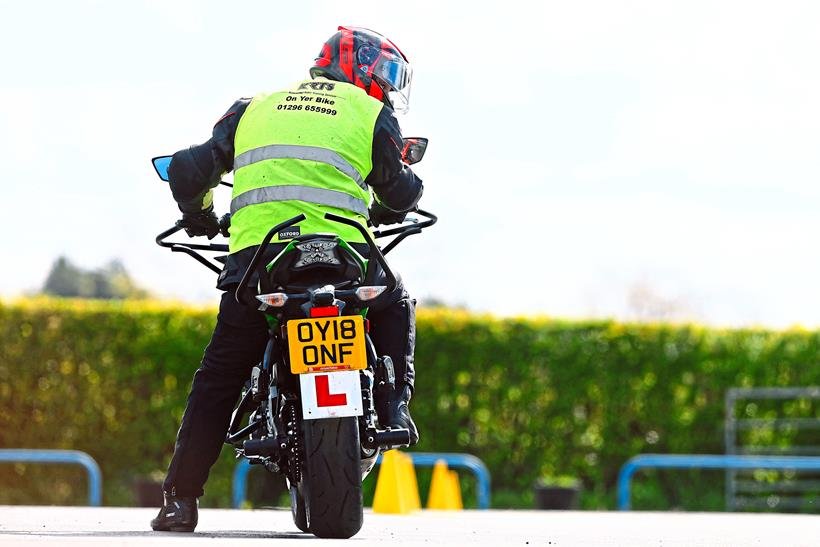
Britain’s first full road safety strategy in more than a decade has been unveiled today (January 7), with ministers pledging a raft of reforms – including changes to motorcycle training, testing and licensing, plus new measures targeting safety on the UK’s most dangerous rural roads.
On average, four people still die on Britain’s roads every day. To address this, the government says the new plan aims to cut deaths and serious injuries by 65% by 2035, rising to 70% for children under 16, following a decade in which the UK slipped down the European road safety rankings.
For motorcyclists, the strategy promises long-awaited movement on reforming training and licensing, following years of calls for change from groups such as the National Motorcyclists Council (NMC), who have lobbied to make “the licensing regime easier to understand and access, while maintaining appropriate road safety standards in training and improving these where possible.”
A formal consultation will now examine how the current licensing and training framework could be reshaped. The NMC’s Executive Director, Craig Carey-Clinch, welcomed the news, saying: “These are areas which are fundamental to motorcycle safety and there are several options which can be considered as part of a structured new approach to motorcycle licensing that can deliver short, medium and long-term safety improvements in line with new road safety targets.
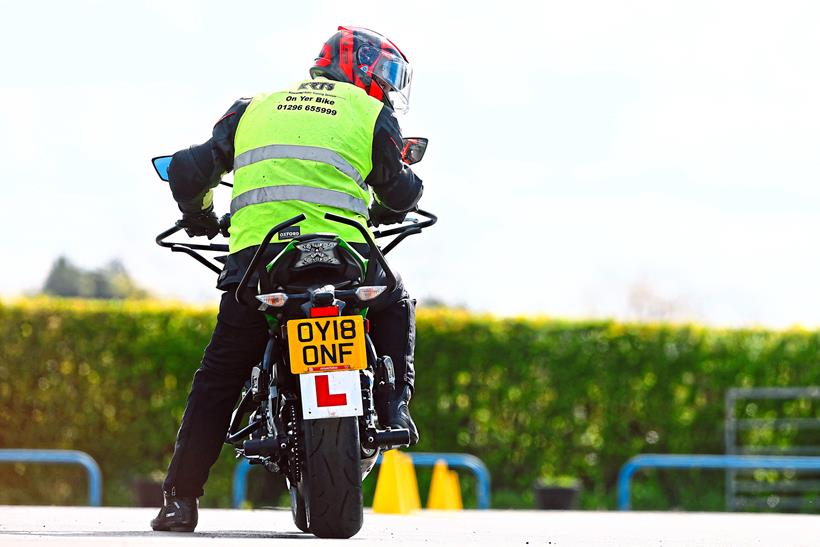
“We also welcome news that the strategy will have a focus on improving rural motorcycle safety. It is vital that if the strategy is to fully deliver for motorcycle safety, a positive approach needs to be taken to the inclusion of motorcycling in wider strategic safety and transport policy development as part of the Safe System and also as part of the work of the new Road Safety Board.
“We look forward to discussing the NMC’s proposals in relation to the strategy with DfT ministers.”
The Motorcycle Industry Association (MCIA) also welcomed the strategy, describing the announcement as a “major campaign victory” for the sector.
The body has spent several years pressing for reform, arguing that the current licensing framework is overly complex and too costly.
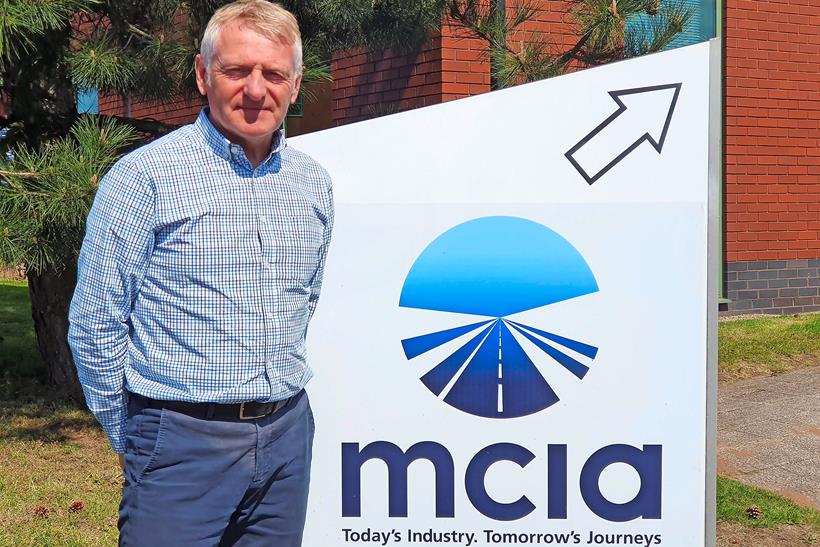
Commenting, MCIA Chief Executive Tony Campbell said: “This is a hugely significant moment for the motorcycle sector and a massive campaign win for MCIA. For several years, through our A Licence to Net Zero campaign, we have been calling for a full review of motorcycle licensing, training and testing – and today the Government has formally committed to doing exactly that.
“There is still a lot of work to do, and the detail will matter enormously. We will work constructively alongside government to ensure any reforms make licensing less complex, more affordable and, above all, safer – not more restrictive.
“This is a monumental opportunity to support motorcycling as a safe, sustainable and practical transport mode that can help deliver the Government’s ambitions on road safety, net zero and growth.”
The wider strategy also targets some of the biggest contributors to serious injury and death on British roads.

A newly formed Road Safety Board – chaired by the Minister for Local Transport – will steer delivery of the programme, backed by an advisory panel bringing together voices from local authorities, the emergency services, active travel groups, and road safety bodies.
Secretary of State for Transport, Heidi Alexander said: “Every life lost on our roads is a tragedy that devastates families and communities. For too long, progress on road safety has stalled. This strategy marks a turning point.
“We are taking decisive action to make our roads safer for everyone, from new drivers taking their first lessons to older motorists wanting to maintain their independence. The measures we are announcing today will save thousands of lives over the coming decade.”
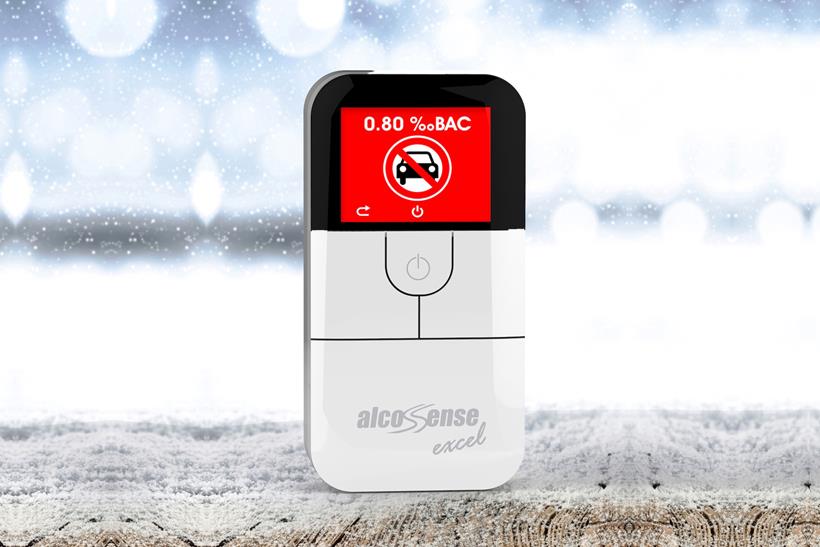
A consultation will explore lowering the drink-drive limit in England and Wales – currently unchanged since 1967 and the highest in Europe – and introducing alcohol interlock devices for convicted offenders, although details on what these new levels may be are yet to be announced.
Mandatory eyesight testing for drivers over 70 is also on the agenda, alongside action against ‘ghost’ number plates, uninsured driving and vehicles without a valid MoT.
A new Road Safety Investigation Branch will analyse collision data to identify patterns and root causes, while 18 new vehicle safety technologies, including autonomous emergency braking and lane-keeping assistance, will be mandated for new vehicles – although motorcycles are not expected to be subject to these conditions.
IAM RoadSmart Director of Policy and Standards Nicholas Lyes said the emphasis on younger drivers and motorcycle safety was “particularly positive”, adding: “After what can be described as a lost decade in terms of reducing the number of killed and seriously injured on the roads, we welcome the government’s commitment to ambitious targets and robust policies to make our roads safer.”
The MCN take
Motorcyclists make up a wildly disproportionate share of Britain’s road toll – accounting for just 1% of motor vehicle traffic, yet 21% of fatalities. It’s encouraging, then, to see ministers finally putting rider wellbeing high on the agenda. Away from the casualty figures, with licence reform back on the table, we’re hopeful too that this announcement will yield not only safer motorcycling, but more accessible pathways onto two wheels for new riders.
Find out more about what this means for car drivers by reading this piece by the experts at Parkers.co.uk.