Gentlemen (and ladies), start your engines.
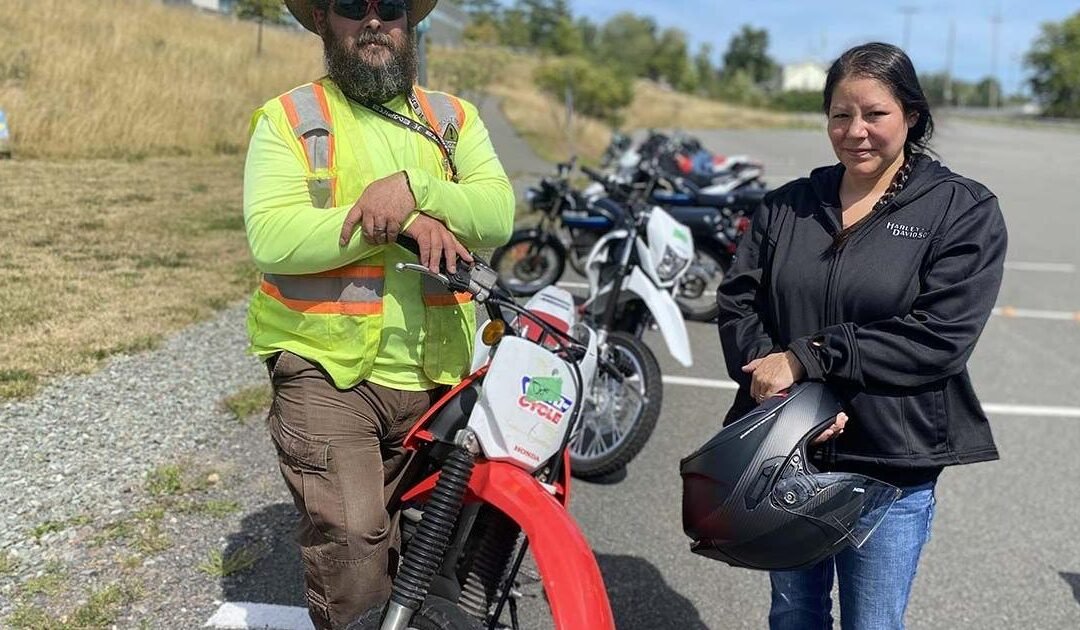
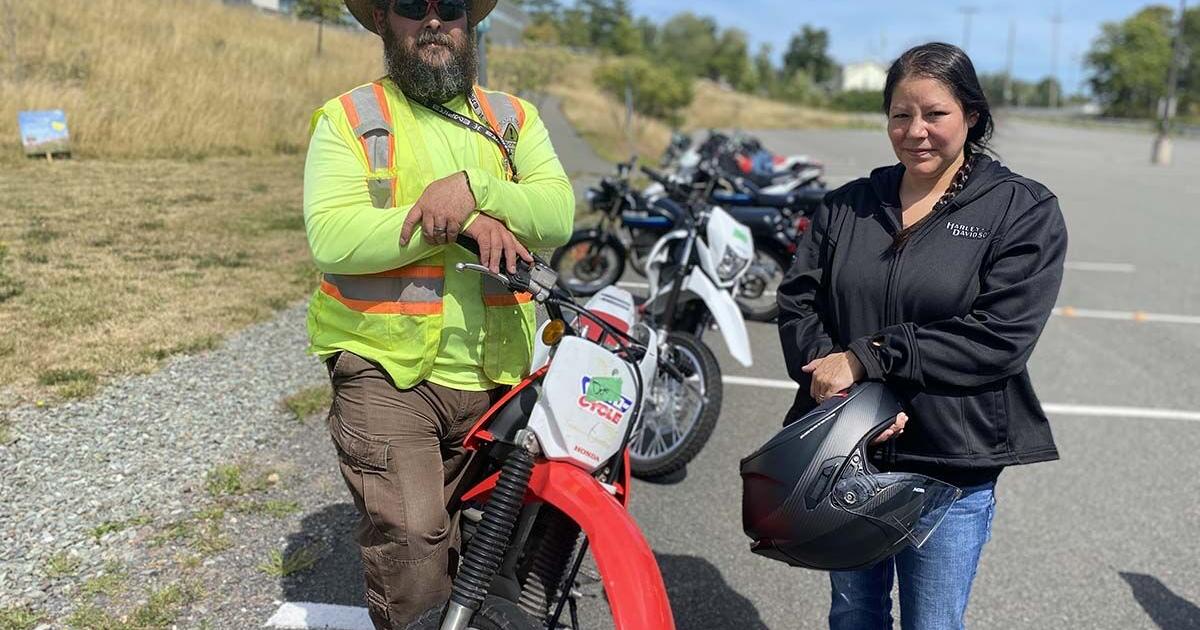
At a motorcycle safety course in Stellarton, held on weekends in a parking lot connected to the Nova Scotia Community College campus, students aren’t taught how to open the throttle and go 90 miles an hour.
Quite the opposite, in fact.
“A lot of folks struggle with the slower speeds — parking lots, pulling out of the driveway,’” says Robert Castonguay, who has been a rider for nearly 40 years and a motorcycle safety instructor for about eight of those.
“There is a fundamental lack of basic skills. I see a lot of it in parking lots, or stop-and-go traffic, things like putting their feet down too early and keeping them down too long.
“All of the things we teach will help you to control that bike at slower speeds, in a controlled and safe way. It gives riders a lot of confidence. It gives them the foundation to become a better rider moving forward.”
These courses are held by Safety Services, a not-for-profit organization based out of Halifax. Cost for the two-day course (eight hours per day) is about $700, although Castonguay says some insurance providers — but not all of them — will give those who successfully complete the course a break on their insurance rates.
“It’s probably best for people to call around to different insurance companies before they take the course,” he said.
Castonguay said despite the relatively high cost, “in the long run, it’s still beneficial to take this course.”
One reason for the high fee is in order to keep up with advances in motorcycle technology, Safety Services buys about 20 new motorcycles each year, to be used at different training sites around the province.
Even someone new to motorbikes who doesn’t currently own a two-wheeler can get trained on one. (There is also an online component to take the course at the student’s leisure and on average takes three to four hours to complete).
Trainees are expected to bring proper footwear, an approved safety helmet and full-fingered gloves, all of which are mandatory.
He said a pair of gloves with the fingers cut out are useless — they don’t help to protect the hands if a rider has a mishap and hits the pavement. Proper gloves help with gripping the handlebars and assist with dampening the vibrations that can shoot up the handlebars from the engine.
Castonguay also said because students will be out in the elements over eight hours, it’s advisable they bring snacks, plenty of water and sunscreen.
Castonguay and the other instructors are tested every year to ensure they keep sharp with their own skills.
“You can expect to be doing quite a lot of work (when taking the course,” he said. “We are doing a tonne of on-the-bike training. We want you on the bike and we want to get you moving.”