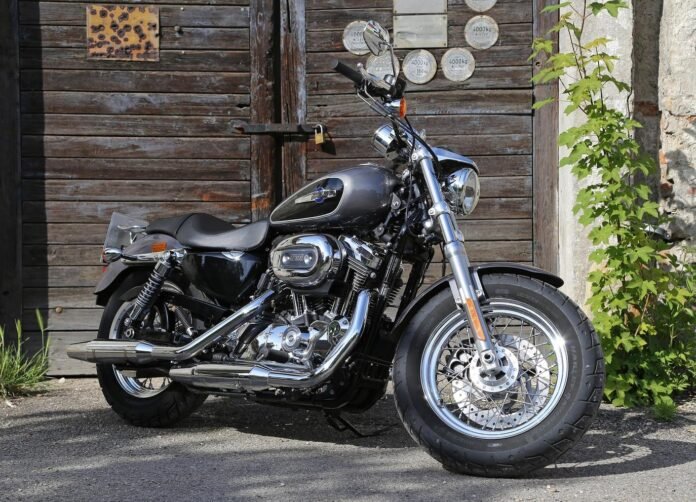
Motorcycle accidents can have devastating consequences, both physically and emotionally. For many riders, the thrill of the open road is overshadowed by the fear and anxiety that can arise after an accident.
The psychological trauma of a motorcycle wreck can be profound, often lingering long after physical injuries heal. Riders often face a unique set of challenges in overcoming the emotional scars left by these incidents.
A grasp of these impacts is crucial for any rider who wants to get back on the road and regain their confidence.

The Psychological Impact of Motorcycle Accidents
Experiencing a motorcycle accident often results in a variety of psychological issues ranging from anxiety to post-traumatic stress disorder (PTSD). According to studies, nearly 10% of individuals involved in traumatic events develop PTSD. The risk is particularly heightened for motorcycle riders, who can experience a significant sense of vulnerability when faced with the realities of an accident.
Common symptoms of motorcycle accident PTSD can include:
- Flashbacks of the event
- Nightmares
- Severe anxiety
These symptoms can all contribute significantly to the fear of riding again.
Anxiety disorders may develop, affecting a rider’s daily life and ability to enjoy their passion. Memories of the crash can trigger panic attacks or avoidance behaviors, creating a significant barrier to riding again. This sense of unease isn’t limited to those directly involved. Witnesses of the accident can experience trauma, which complicates the recovery process.
Why Mental Health Support is Crucial for Recovery
Seeking mental health support after a motorcycle accident is critical to overcoming trauma. Many riders understand the importance of physical rehabilitation, but mental recovery is equally important. Therapy can provide a safe space for individuals to process their emotions, explore coping strategies, and work through their fears.
Several forms of therapy have proven effective for treating motorcycle wreck trauma, including:
- Cognitive-Behavioral Therapy (CBT): Helps reframe negative thought patterns associated with the accident.
- Exposure Therapy: Allows riders to gradually confront their fears in a controlled and safe environment.
Support from friends, family, and fellow riders can also play a pivotal role in the healing process. Engaging in conversations about experiences, attending support groups, or even connecting with other bikers who have faced similar challenges can help dispel feelings of isolation. The motorcycle community frequently rallies to support its members, proving that recovery from trauma is an achievable, shared experience.

Strategies for Facing the Fear of Riding Again
One of the most challenging hurdles for riders recovering from a motorcycle wreck is overcoming the fear of riding again. This fear can be paralyzing, preventing riders from re-engaging with their passion and lifestyle. Stereotypes that portray motorcyclists as reckless can compound this fear, leaving riders feeling judged and ashamed. Many hesitate to discuss their fears with non-riding friends or family, resulting in feelings of isolation and helplessness.
To combat these anxieties, taking gradual steps is often beneficial. Effective strategies for rebuilding rider confidence include:
- Starting Small: Begin with shorter rides on less powerful bikes or in low-traffic areas.
- Professional Training: Participate in a motorcycle training course designed for returning riders to refresh skills in a supportive setting.
- Focusing on Safety: Recommit to wearing proper gear and practicing safe riding techniques on every ride.
These courses often provide a supportive atmosphere where riders can practice their skills and regain confidence under professional supervision. A renewed focus on safety is crucial for getting back on the road. A commitment to proper gear, safe riding techniques, and an honest assessment of your mental readiness will make a substantial difference in rebuilding confidence. These steps help restore not just the ability to ride, but the joy that comes with it.
Understanding the Legal Aspects of Motorcycle Accidents
Navigating the aftermath of a motorcycle accident includes understanding the legal ramifications surrounding the event. Dealing with insurance claims and medical expenses can be a taxing process, which is where the expertise of a bike-crash attorney in Houston proves invaluable. Legal representation can ensure that riders receive appropriate compensation for their physical and emotional recovery. Insurance companies may attempt to minimize payouts, but an experienced attorney can effectively counter their tactics.
Riders should also be aware of the unique challenges that motorcycle claims can pose. Liability often extends beyond just other drivers, as road conditions, vehicle maintenance, and even product defects can come into play. An attorney can perform a thorough investigation into the factors surrounding the accident, identifying all potential sources of compensation for the victim. This level of support allows riders to focus on their healing rather than navigating complex legal disputes.

Building Mental Resilience for the Road Ahead
Developing mental resilience is key to overcoming the trauma associated with motorcycle accidents. This resilience can be cultivated through various methods and practices. Mindfulness and meditation have proven to be effective tools for reducing anxiety and enhancing emotional well-being. Allocating time each day for mindfulness practices can help ground riders and foster a sense of peace. Regular physical activity, particularly on a motorcycle, can contribute to improved mental health. It serves as therapy and as an opportunity to reinforce skills and confidence.
Connections with others who share similar passions can bolster resilience. Finding a local riding club or group where members offer encouragement, share stories, and partake in rides together can create a supportive environment. These connections foster camaraderie and reduce feelings of isolation, reinforcing that recovery is something you don’t have to go through alone.
Using Positive Affirmations to Aid Recovery
Incorporating positive affirmations into daily life can significantly improve mental health following a motorcycle wreck. Affirmations serve as a form of self-encouragement, reinforcing the belief that healing is possible. Simple phrases like “I am strong, and I grow through adversity” can shift the mindset and promote a more positive outlook on recovery. Establishing a habit of practicing affirmations can help riders focus on their strengths rather than their fears.
Recovery requires both determination and persistence. Riders must acknowledge their emotions while actively working to rebuild their confidence. Participating in community events, practice sessions, and supportive discussions can ignite motivation to embrace the thrill of riding once again.

Reclaiming the Ride After a Motorcycle Wreck
The path to recovery after a motorcycle wreck is a personal journey that requires both courage and the right support system. A rider’s mental health is just as important as their physical healing, and addressing the fear of riding again is a critical step. Professional therapy, community support, and personal strategies for mental resilience all contribute to a successful recovery, helping to manage the symptoms of motorcycle accident PTSD.
Your passion for riding does not have to end after a crash. A focus on motorcycle safety, combined with strong mental health support and the right legal representation, can empower you to overcome motorcycle wreck trauma. The road to recovery is a testament to a rider’s strength, leading back to the confidence and joy found on the open road.
Frequently Asked Questions About Motorcycle Accident Recovery
What are the first signs of motorcycle accident PTSD?
Initial signs of motorcycle accident PTSD can include recurring, distressing memories of the event, nightmares, and severe anxiety. Some riders experience flashbacks or strong emotional reactions when reminded of the crash, which can lead to avoidance behaviors related to riding.
How can a support group help with my fear of riding again?
Support groups provide a safe environment to share your experiences with fellow riders who have faced similar trauma. This sense of community reduces feelings of isolation and offers practical coping strategies for managing the fear of riding again, reinforcing that you are not alone in your recovery.
When is it the right time to contact a motorcycle accident lawyer?
You should contact a motorcycle accident lawyer as soon as possible after a crash, especially if you have sustained significant injuries. An attorney can protect you from lowball insurance claims and manage the complex legal representation process, allowing you to focus on your emotional recovery.