In a bold initiative aimed at reducing Liberia’s alarming rate of road accidents, the National Safety Partnership of Liberia (NASAPAL) and WoGeS Holdings Liberia, Inc., have announced a nationwide public safety awareness campaign targeting drivers of cars and motorcycles.
The campaign, led by NASAPAL, a local non-profit organization committed to road safety, will feature a “Train-the-Trainer” program designed to equip driving instructors with the skills to teach safe driving practices across Liberia. WoGeS Holdings, through its subsidiary—the Liberia Motorcycle Safety Training Program (LIBMSP)—will collaborate with certified driver training schools to deliver high-impact, life-saving education.
Speaking to reporters over the weekend via mobile phone, NASAPAL CEO Mr. Philip E.P. Woods II said the initiative represents a significant milestone in his decade-long effort to implement world-class safety practices in Liberia.
“I made a commitment back in 2011 after discovering the immense potential of U.S.-style training programs. Now, I must give Liberia the best possible tools to fight preventable road violence,” Mr. Woods said.
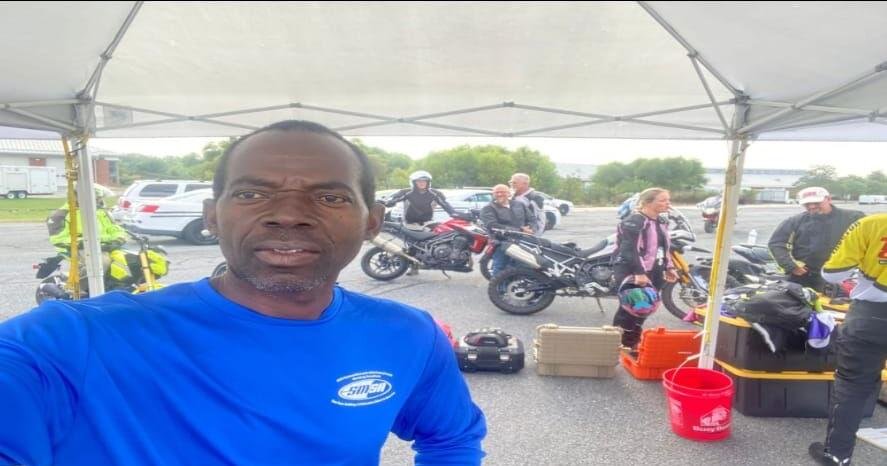
Mr. Woods recently attended the State Motorcycle Safety Association (SMSA) conference in the United States, an event that brings together motorcycle safety training entities from all 50 U.S. states. At the conference, he raised global awareness about Liberia’s road safety crisis and laid the groundwork for international partnerships to support the country’s efforts.
As part of this strategy, Mr. Woods announced a strategic partnership with the U.S.-based Total Control Training, Inc. (TCTI), a leading developer of motorcycle safety curricula. Mr. Lee Parks, CEO of TCTI and a retired professional motorcycle racer, has expressed his commitment to supporting Liberia’s safety goals. “Details of this partnership will be released soon,” Mr. Woods confirmed.
Highlighting the urgency of the campaign, Mr. Woods cited global statistics from the United Nations, which show that more than 1.3 million people die annually from road accidents. “Liberia is no exception, and the time to act is now,” he said.
Mr. Woods stressed that tackling the road safety crisis requires a holistic approach involving multiple stakeholders, including government, private sector, and international partners. “We need a coordinated, stakeholder-driven approach to make meaningful progress on road safety in Liberia,” he said.
He also called on the Liberian government and citizens to actively support safety awareness and training initiatives, noting that these programs require substantial financial and logistical investment. He commended the Boakai administration for integrating Liberia’s road safety curriculum into the national school system, describing it as a critical step toward fostering long-term behavioral change among young Liberians.
“I hope the Unity Party government strengthens its commitment to a vibrant Public-Private Partnership (PPP) environment—first introduced in 2006—which encourages citizen-led development and allows organizations like NASAPAL and LIBMSP to thrive and contribute meaningfully to national progress,” Mr. Woods added.
The nationwide campaign will focus on delivering high-quality, evidence-based training to drivers, raising public awareness about road safety, and building a culture of accountability and caution on Liberia’s roads. By empowering instructors through the Train-the-Trainer model, NASAPAL and LIBMSP aim to reach a broad audience and create a sustainable impact across the country.
Mr. Woods emphasized that the initiative is more than just training; it is part of a long-term vision to reduce preventable road deaths and injuries in Liberia. “We are providing tools, training, and resources to help every driver understand the importance of safe road behavior,” he said. “Our goal is to save lives and promote a culture of responsibility on the roads.”