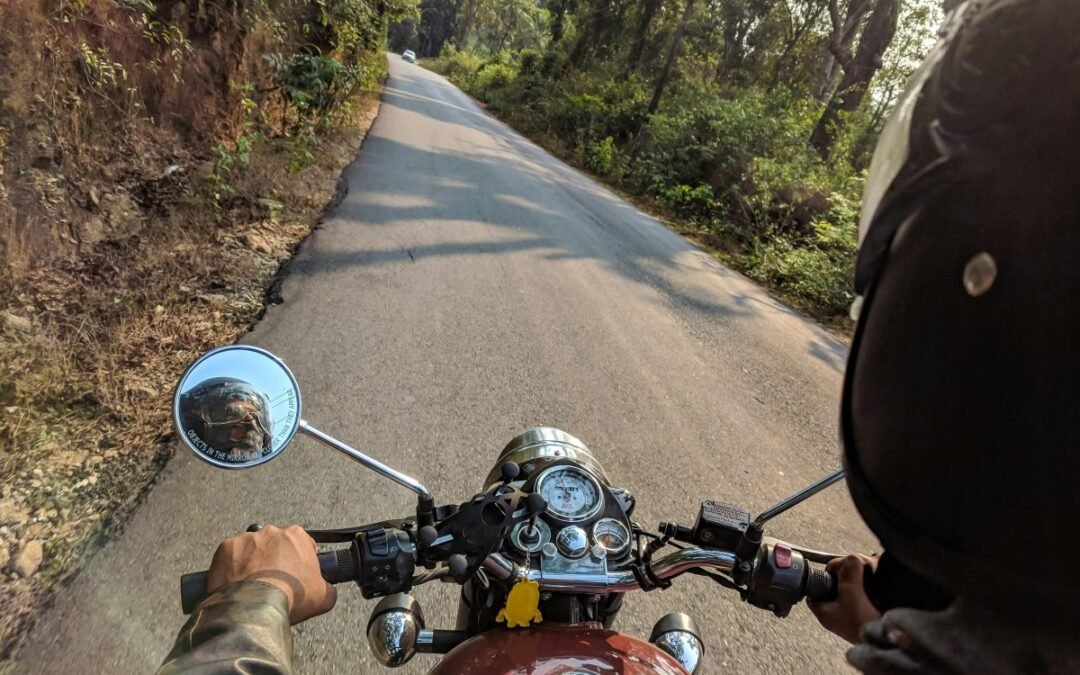
Motorcycling offers unmatched freedom and excitement on the open road, but it comes with inherent risks, one of which is the threat of burn injuries. These types of injuries can occur due to contact with hot engine parts, exhaust pipes, or road surfaces after a crash. Unlike other traffic-related injuries, burns can result in long-term physical damage, chronic pain, and even disfigurement. With proper precautions and a conscious effort to ride smartly, motorcyclists can significantly reduce their chances of sustaining burn injuries. This article explores six important protective measures every rider should consider to minimize the risk of burns while enjoying their two-wheeled adventures.

Wear High-Quality, Heat-Resistant Gear
Investing in appropriate riding gear is one of the most effective ways to prevent burn injuries. A full set of protective clothing, such as a jacket, pants, gloves, and boots, should be made of heat-resistant and abrasion-resistant materials like leather or Kevlar. These fabrics protect from friction burns during a fall and serve as a barrier between the skin and hot engine components. Specialized riding boots, for example, offer ankle protection and shielding against contact burns from the exhaust pipe. Riders should avoid exposed skin, even in warm weather, as a split-second brush against a hot surface can cause a serious burn. The initial investment in high-quality gear pays dividends in safety and comfort.
Why Legal Representation Matters After a Burn Injury
Having an experienced attorney is crucial when dealing with the aftermath of a motorcycle accident when serious injuries are involved. Victims often face mounting medical bills, long recovery times, and potential loss of income. This becomes particularly important in cases involving motorcycle road burn injuries, which can lead to extended hospital stays, skin grafts, and ongoing rehabilitation. An attorney can help navigate the complexities of insurance claims and determine liability, ensuring that victims are fairly compensated for their suffering. Legal guidance provides a critical layer of support, helping injured riders focus on recovery while someone fights for their rights.
Install Heat Shields on the Motorcycle
Heat shields are an often-overlooked but crucial upgrade to any motorcycle. These protective additions are typically installed on or near the exhaust system to block or deflect the heat away from the rider’s legs. Some models come with built-in shields, but aftermarket options are available for motorcycles lacking them. Heat shields can drastically reduce the temperature in areas commonly contacted by the rider, making it safer to mount or dismount the bike. For those who often ride in traffic or city conditions where heat builds up more rapidly, installing heat shields can significantly lower the risk of accidental burns from prolonged exposure to hot surfaces.
Avoid Riding in Shorts or Open-Toed Shoes
Comfort might be tempting during hot weather, but riding in shorts or open-toed shoes exposes the body to multiple dangers, including severe burns. The exhaust pipe, in particular, can reach temperatures exceeding 600°F (315°C), and contact with bare skin can cause second- or third-degree burns in a matter of seconds. Even stopping at a red light or parking on a gravel incline can cause the leg to come near scorching hot parts. Riders should always wear long pants and enclosed shoes or boots made of thick materials. Protecting the lower limbs is important since they are most commonly affected by exhaust burns.
Stay Aware of Engine Heat During Stops
Another key measure in preventing burn injuries is simply being mindful of how engine heat radiates during and after a ride. Motorcycles continue to emit heat even after the engine is turned off, and metal parts can stay dangerously hot for several minutes. Riders should be cautious when dismounting, making sure not to brush against the exhaust or engine casing. Allowing the bike to cool in a well-ventilated area before attempting any manual work or inspection can prevent unintentional burns. Parents riding with children should be particularly careful, as curious hands and legs are more prone to accidental contact with hot surfaces.
Educate Passengers About Motorcycle Safety
Passengers on a motorcycle are just as susceptible to burn injuries as the rider, and they often have less experience or awareness of where hot components are located. Before setting off, riders should take a few minutes to explain to passengers how to mount and dismount the bike safely. Show them where the exhaust is and instruct them to keep their legs tucked in securely while riding. Encourage passengers to wear full protective gear as well, even for short rides. Clear communication and preparation go a long way in preventing mishaps for first-time or younger passengers unfamiliar with motorcycle dynamics.

Motorcycle burn injuries are painful, dangerous, and largely preventable. With the right gear, proper equipment modifications, smart riding habits, and a focus on safety awareness, riders and passengers alike can greatly reduce their chances of suffering from burn-related accidents. These six measures protect the body and enhance the riding experience by providing greater peace of mind. The thrill of riding should never come at the cost of safety when practical steps can make such a life-changing difference.