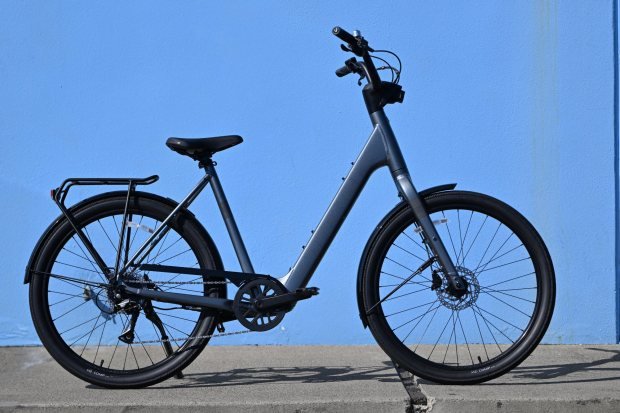
Under California law, there are three classes of e-bikes that can be legally ridden on public roads and public bike paths where permitted. While they may appear similar, the three classes can differ in key requirements, including maximum speeds, age restriction and helmet use:
E-bikes are moving fast and local laws, safety measures are trying to catch up
Class 1

- Has a maximum assisted speed of 20 miles per hour.
- The motor provides power only when the rider pedals.
- The motor output cannot exceed 750 watts.
- Riders under 18 years old must wear a helmet.
Class 2

- Has a maximum assisted speed of 20 miles per hour.
- The motor provides power even when the rider is not pedaling.
- Motor output cannot exceed 750 watts.
- Riders under 18 years old must wear a helmet.
Class 3

- Has a maximum assisted speed of 28 miles per hour.
- The motor provides power only when the rider pedals.
- Motor output cannot exceed 750 watts.
- Riders must be at least 16 years old.
- Riders are required to wear a helmet regardless of age.
E-moto

- Dirt-bike-style electric motorcycles are typically capable of speeds from 30 to more than 60 miles per hour.While electric dirt bikes do not require a driver’s license when used off-highway, riding them on public roads, sidewalks or public bike paths is against the law.
- They have pegs and not pedals.
- While dirt bikes do not require a driver’s license when used off-highway, riding them on public roads, sidewalks or bike paths is against the law.
- E-moto dirt bikes cannot be registered for street use because they were not manufactured or certified to meet motorcycle safety and equipment standards required by the California Department of Motor Vehicles.
- They have pegs and not pedals.
- There are street-legal electric motorcycles.